

Degrees and Programs
Our unique career structure means students have the flexibility for an individualized approach to the dental education and graduate studies experience, all while becoming part of the Aggie Family.
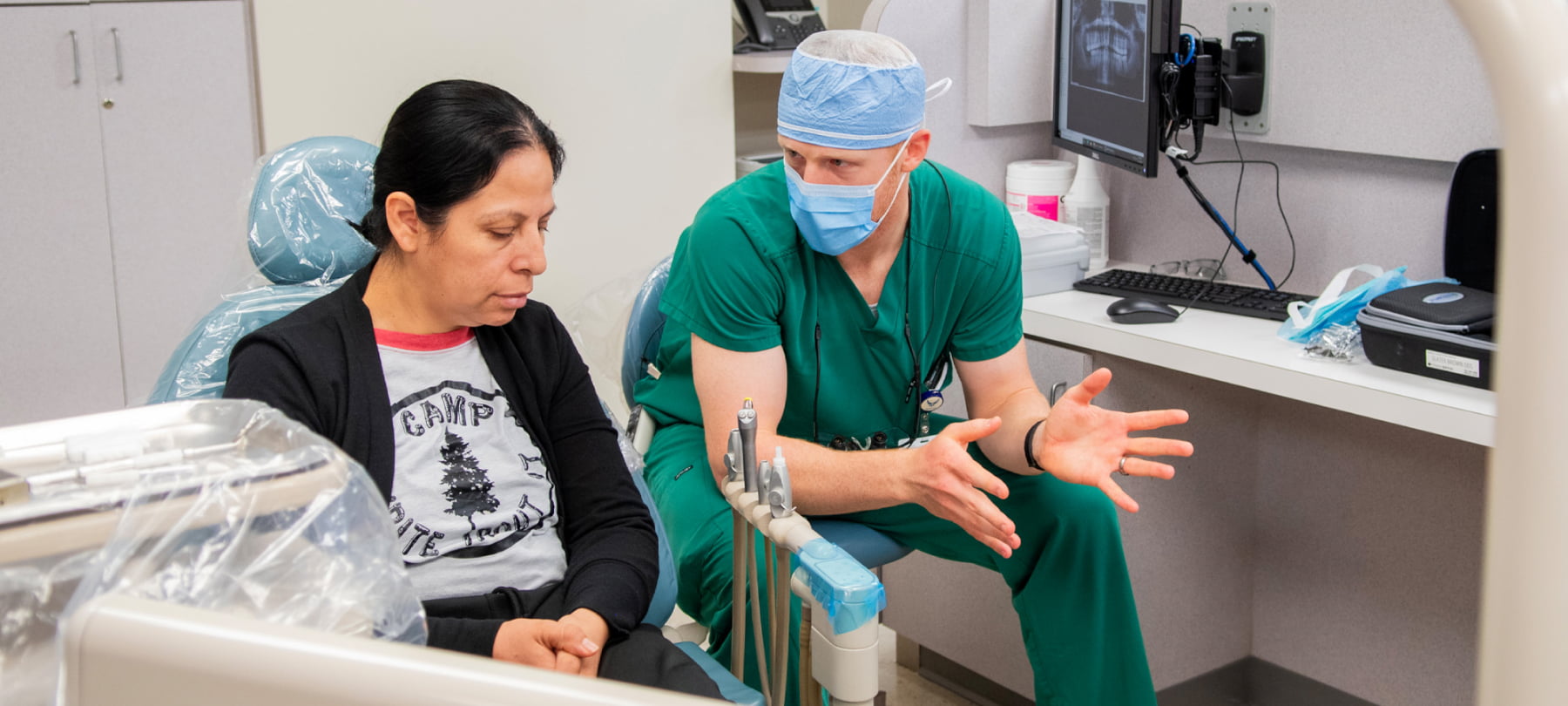
Doctor of Dental Surgery (D.D.S.) admissions
The program leading to the degree of Doctor of Dental Surgery is designed to develop broadly competent practitioners and encourages both clinical and basic science research in order to instill an appreciation of biomedical research and a spirit of inquiry in each student. The Texas A&M College of Dentistry recognizes the need to support excellence in its educational programs by acquiring and maintaining a highly qualified faculty and students, excellent physical facilities and a competency-based curriculum that is contemporary, comprehensive and efficient.
DDS Application Proceduresbachelor of Science in dental hygiene
The Dental Hygiene program educates preventive oral health professionals who are capable of providing educational, clinical and therapeutic services that support total health through the promotion of optimal oral health. Dental hygiene offers an excellent opportunity to serve the community in private dental practices, dental clinics, public health agencies, schools, hospitals, government agencies, industry, education and research. The dental hygiene faculty is primarily responsible for didactic and clinical teaching in the undergraduate program.
Dental Hygiene Application ProceduresDegree Programs

Our mission is to educate MS and PhD graduate students to become competent researchers and educators who are committed to conducting research related to neuroscience and pain, craniofacial development, diseases and treatments including the development and application of biomaterials, devices and biologics in treating craniofacial diseases.
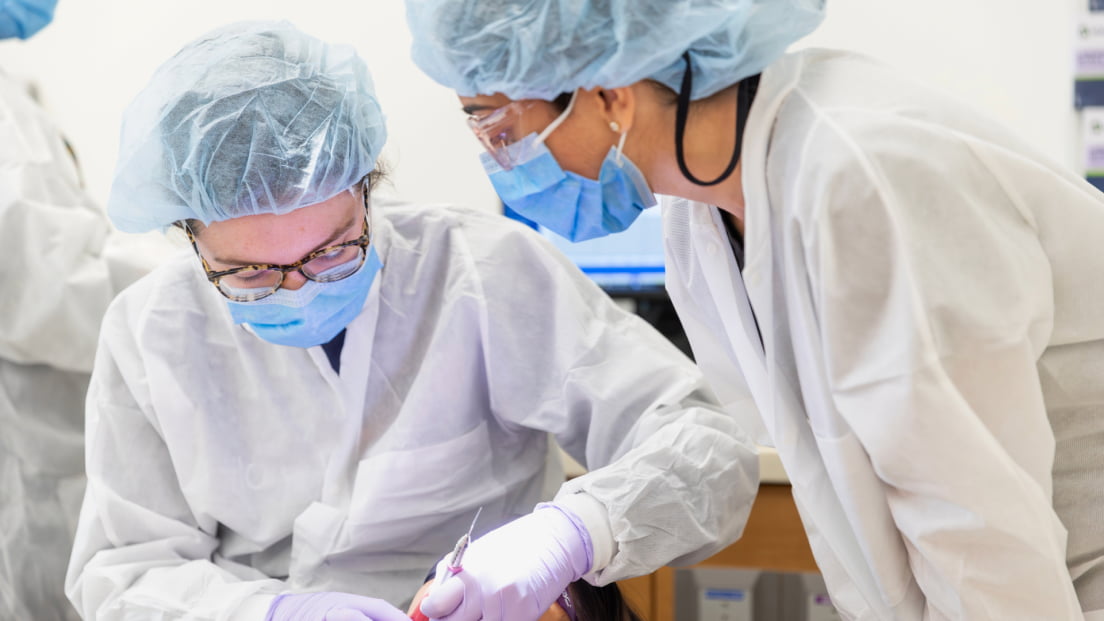
Texas A&M College of Dentistry offers advanced education programs in major clinical specialty areas including: Advanced Education in General Dentistry (AEGD), Endodontics, Oral and Maxillofacial Pathology, Oral and Maxillofacial Radiology, Oral and Maxillofacial Surgery, Orthodontics, Pediatric Dentistry, Periodontics and Prosthodontics.
essential functions for matriculation
Students must possess the skills and abilities that will allow them to successfully complete the course of study and receive the full benefit of the educational program. The College has responsibility for ensuring the safety of patients and student clinicians. This includes the completion of treatment safely and within a reasonable amount of time.
The student must be able to meet or perform these essential functions