
frequently asked questions about dental hygiene

What is dental hygiene all about?
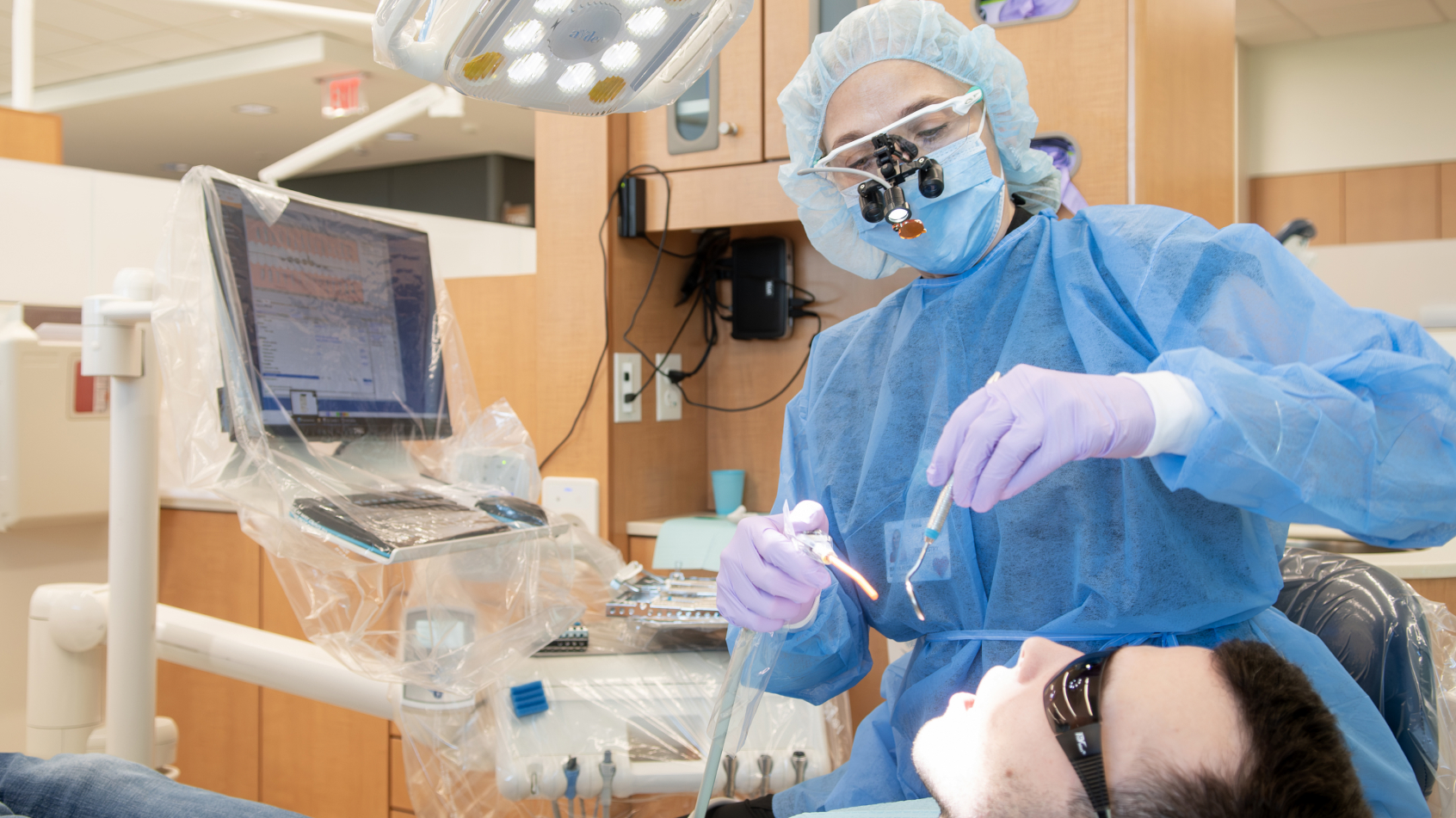
Dental Hygiene is an exciting career choice for anyone interested in promoting health. A dental hygienist is a licensed preventive oral health professional who provides educational, clinical and therapeutic services supporting total health through the promotion of optimal oral health. Dental Hygiene offers an excellent opportunity to serve the community in private dental practices; dental clinics; public health agencies; schools; hospitals; government agencies; industry, including sales, education and research.
What academic subjects does dental hygiene include?
The education of the dental hygienist emphasizes the basic sciences, which include microbiology, chemistry, pathology, anatomy and physiology. Other components of the curriculum develop the clinical and educational skills of the dental hygienist. A dental hygienist is eligible for licensure after graduation from an accredited dental hygiene program and upon successful completion of both a written National Board Dental Hygiene Examination and a clinical examination.
What are the advantages of a baccalaureate degree over a two-year certificate or associate degree program?
Positions in teaching, administration and public health generally require a baccalaureate degree or an advanced degree. Many "two year" programs, in practice, become more than two years because of prerequisite courses required for admission. In many of these programs, students are enrolled for three or even four years of college, but do not receive a Bachelor's degree.
Will a baccalaureate degree prepare me for an advanced degree?
Yes, the dental hygiene curriculum at Texas A&M College of Dentistry provides excellent preparation for admission to Master's degree programs in Dental Hygiene, Public Health, Education and Health Administration. Master's degree programs with a focus in dental hygiene and the basic sciences at Texas A&M College of Dentistry are open to dental hygienists with the Bachelor of Science degree.
Are courses transferable?
Dental Hygiene Program courses may be transferable, depending upon the policy of the school to which you are transferring.
Why should I choose the Texas A&M College of Dentistry Dental Hygiene Program?
The baccalaureate degree program in dental hygiene is the only one in North Texas that exists within a dental college. In addition to dental hygiene students, approximately 400 dental students and 50 graduate students are enrolled. The distinct advantage of being associated with a dental school is a team practice approach with dental and dental hygiene students. The Dental Hygiene Program is associated with many community and institutionally based health care programs and facilities. The extramural curriculum provides the students with superior training. The basic science faculty are an integral part of Texas A&M College of Dentistry, and are continually active in research.
What college should a prospective dental hygiene student attend?
Must be Texas Core Complete before admission to the program. No preference is given in terms of which predental hygiene college to attend. Any accredited institution is acceptable, but an institution with strong science departments is suggested.
Is there an alternative to the full-time program?
There is currently a modified program available to students who are unable to initially attend the program full-time. Students may have family responsibilities or need to work part-time. The Junior year of the curriculum is divided over a two year period. The Senior year is completed as a full-time student.
What type of academic calendar is followed?
The College of Dentistry operates on a semester system with new classes beginning only once a year. The dental hygiene curriculum includes a summer session between the first and second years of the program.
Does Texas A&M College of Dentistry have campus housing?
Off-campus apartments and other housing facilities are available, but are not provided by the College of Dentistry. The school does not inspect or approve listings; however, the Office of Student Affairs will offer assistance in locating accommodations.
Is observing a Dental Hygienist required?
Applicants must observe a dental hygienist for 16 hours, document that observation (see form with application) and reflect on that observation in their biographical sketch.
When should I submit an application?The application deadline is January 5th
The Office of Recruitment and Admissions encourages applicants to complete all of the online application forms by December 1. All materials related to the application must be received by February 1.
Is an interview required?
Applicants who appear to be the best qualified are invited to interview with the Admissions Committee.
How much does it cost to attend the Dental Hygiene Program?
Total Estimated Cost of Attendance with Tuition and Fees: $19,761.76 (DH1 Spring 2026). To view the Cost of Attendance (COA) estimate provided by the Financial Aid Office please visit the website: https://tuition.tamu.edu/hsc then select College of Dentistry and then Dental Hygiene Program. An application fee is required and will be noted during the admissions process.
What other expenses are there?
The written National Board examination, required by states for licensure, is approximately $600.00. This exam is taken in the Senior year. The clinical examination fee for state licensure will vary depending on the state in which you decide to practice. Texas participates in the American Board of Dental Examiners and the fees are approximately $1,500.00. Dental hygiene students are required to purchase their own dental loupes by the end of the entering fall semester.
apply now
Are you ready to take the next step? Review the material on this page and click the link below.
Apply to the Dental Hygiene Program »